
January 10, 2024 · 6 min read
When I founded Sargia in 2015, I had a simple but radical idea: what if tourism could be a force for good? What if every journey could leave both the traveler and the destination better than before?
Nine years later, I'm proud to say we've proven it's possible. But the journey hasn't been easy, and there's still so much work to be done.
Sustainable travel in Sri Lanka cannot be reduced to reusable bottles or a single tree-planting photo. The country is compact, biodiverse, culturally layered, and deeply dependent on tourism income in many rural areas. Good travel design has to protect all of that at once.
Beyond Greenwashing
Let's be honest: "sustainable tourism" has become a marketing buzzword. Every hotel claims to be eco-friendly, every tour operator promises responsible travel. But how many actually deliver?
For us, the difference begins before a guest arrives. We choose routes that reduce unnecessary backtracking, work with locally owned stays where possible, and brief travelers on cultural norms before they reach a temple, village, or wildlife zone. These choices are less visible than glossy campaigns, but they shape the impact of every trip.
"Sustainability isn't a checkbox, it's a commitment that touches every decision we make, from the guides we hire to the communities we partner with."
- Ashan Perera
At Sargia, sustainability means measurable impact. We track every tree planted, every family supported, every plastic bottle eliminated. Our annual impact report is audited by independent third parties.
Community First Travel
The strongest journeys are built with the people who call a destination home. That means paying guides fairly, using regional specialists instead of generic scripts, and making space for small operators: cooks, naturalists, craftspeople, drivers, homestay owners, and farmers.
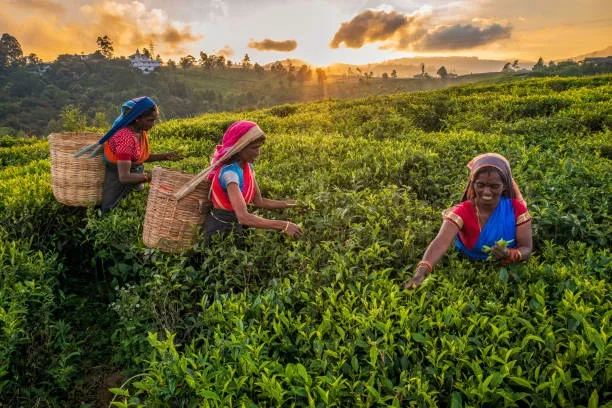
When a guest joins a village meal, visits a tea community, or walks through a forest with a local tracker, the experience must never feel extracted. It should create income, respect privacy, and leave the host with control over how their story is shared.
Wild Places Need Better Rules
Sri Lanka's forests, reefs, wetlands, and national parks are under pressure from overcrowding and poor visitor behavior. A responsible itinerary considers timing, vehicle limits, guide quality, and distance from wildlife. Seeing less but seeing it well is often the more ethical choice.
We encourage slower routes, off-peak visits, refill systems, low-waste packing, and hotels that treat conservation as operations rather than decoration. The result is not a stripped-down trip. It is a richer one, because guests encounter the island with more context and less friction.