December 28, 2023 · 7 min read
The mist rolls in like a living thing, swallowing the emerald hills in a soft white embrace. At 6,000 feet above sea level, the air is cool and crisp, carrying the subtle fragrance of tea leaves.
This is Sri Lanka's tea country, but the most memorable experiences are rarely found at the busiest viewpoints or the standard factory stops. They happen on small estate roads, in workers' line rooms, beside weighing sheds, and along footpaths where the rhythm of the hills has changed slowly over generations.
A Landscape Built by Hand
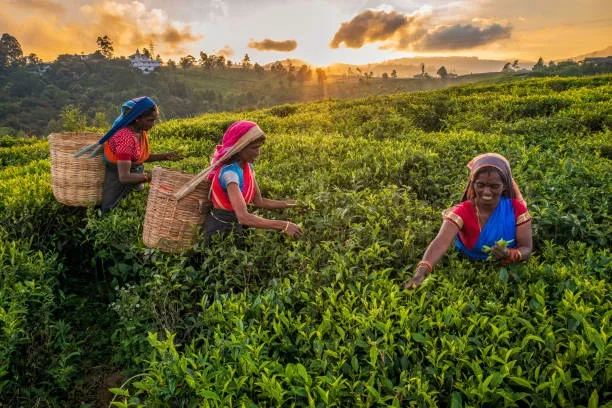
The hill country is beautiful, but it is also a working landscape. Every neat contour of green represents long hours of skilled labor, mostly by women whose families have lived around the estates for generations. Understanding tea country means looking beyond the postcard and recognizing the people who maintain it.
Early morning is the best time to walk. The light is low, the air is cool, and the pickers move through the slopes with baskets balanced against their backs. A respectful guide can explain the picking process, wage systems, estate history, and the social changes shaping younger generations.

Beyond the Factory Tour
A tea factory visit is still worthwhile, especially when the machinery is running. Withering, rolling, fermenting, drying, grading, and tasting all reveal how much precision sits behind a simple cup of black tea.
The richer experience comes when that technical process is paired with context. Why did British planters transform the hills? How did tea replace coffee? What does estate life look like now? Which small producers are experimenting with better labor models, organic methods, or specialty teas?
"Tea country is not a backdrop. It is a living culture, shaped by labor, migration, weather, and memory."
- Sargia Hill Country Guide
Where to Slow Down
Ella, Haputale, Nuwara Eliya, Hatton, and Bandarawela each offer a different version of the highlands. Ella is social and scenic, Haputale is quieter and more dramatic, Nuwara Eliya carries colonial traces, and Hatton opens toward old estates and pilgrimage routes.
Spend at least two nights if possible. Walk a ridge before breakfast, take tea with a view after rain, visit a small temple or market, and let the weather shape the day. In the highlands, mist is not an interruption. It is part of the story.